

Uncategorized
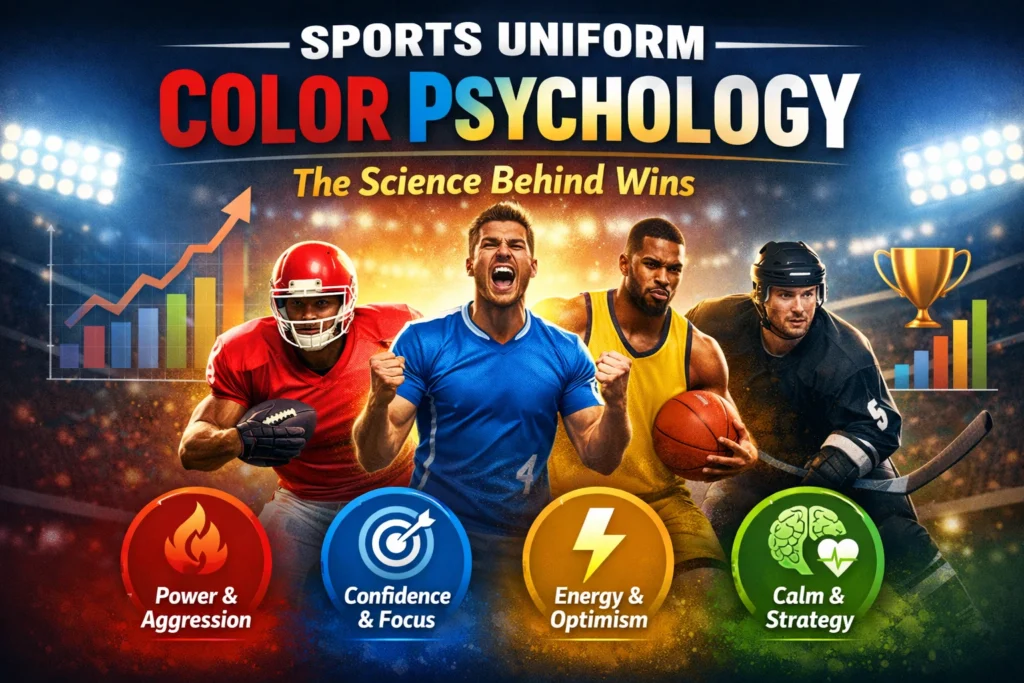
Sports Uniform Color Psychology: The Science Behind Wins
Dec
When fans think about winning teams, they often focus on skill, fitness, and tactics. However, there’s another factor quietly influencing performance, perception, and confidence on the field: uniform color. Sports uniform color psychology explores how colors affect players, opponents, referees, and even crowds—and research shows the impact is real.
Winning teams don’t choose colors randomly. They understand that color is a strategic tool that can shape mindset, signal dominance, and create subtle psychological advantages. While color alone won’t win matches, it can influence the conditions in which winning becomes more likely.
Why Uniform Color Matters in Competitive Sports
Colors are processed by the brain faster than words or symbols. In high-pressure sports environments, where decisions are made in milliseconds, visual cues play a major role. Uniform color becomes an instant signal that communicates confidence, aggression, calmness, or authority before a ball is even kicked.
From packed stadiums to televised matches, uniform colors also shape how a team is perceived by:
- Opponents, who subconsciously judge strength and threat
- Referees, who interpret physical play and fouls
- Fans, who respond emotionally to visual identity
This is why top teams treat uniform color as part of their competitive identity, not just a branding choice.
The Science Behind Color Psychology in Sports
Color psychology is rooted in neuro-science and behavioral science. Under competitive stress, the human brain relies on shortcuts—known as cognitive biases—to interpret situations quickly. Color acts as one of these shortcuts.
One of the most cited studies in sports color psychology is by Hill and Barton (2005), which analyzed combat sports at the 2004 Olympics. The researchers found that athletes wearing red won significantly more matches than those wearing other colors. The conclusion was not that red made athletes stronger, but that it influenced perception and behavior—both in opponents and officials.
How Uniform Colors Influence Player Performance
Uniform color doesn’t magically improve physical ability, but it can influence how athletes feel and behave during competition.
Confidence and Aggression
Colors like red and black are associated with dominance and power. When players wear these colors, they often report feeling more assertive and competitive. This can translate into stronger challenges, more decisive play, and greater presence on the field.
Focus and Composure
Cool colors such as blue and green are linked to calmness and mental clarity. Teams that rely on structured play, discipline, and tactical control often benefit from colors that reinforce composure rather than raw aggression.
Energy Management
Bright colors like yellow and orange increase visual stimulation and energy levels. While this can boost intensity, it must be balanced carefully to avoid overstimulation or loss of focus during long matches.
Do Uniform Colors Affect Referees and Opponents?
This is where color psychology becomes especially interesting.
Referee Perception
Multiple studies suggest referees may unconsciously judge teams in darker or more aggressive colors as more dominant—or more aggressive—depending on context. Teams in black or red have been shown in some leagues to receive different foul or penalty patterns, likely due to subconscious bias rather than intentional favoritism.
Opponent Intimidation
Uniform color also affects how opponents perceive threat. Dark, saturated colors can make teams appear more physically imposing, while lighter colors may signal openness or speed. These impressions form instantly, before gameplay even begins.
Sports Uniform Color Meanings: A Practical Breakdown
Rather than listing endless palettes, here’s a clear, performance-focused breakdown of the most effective sports uniform colors and when to use them.
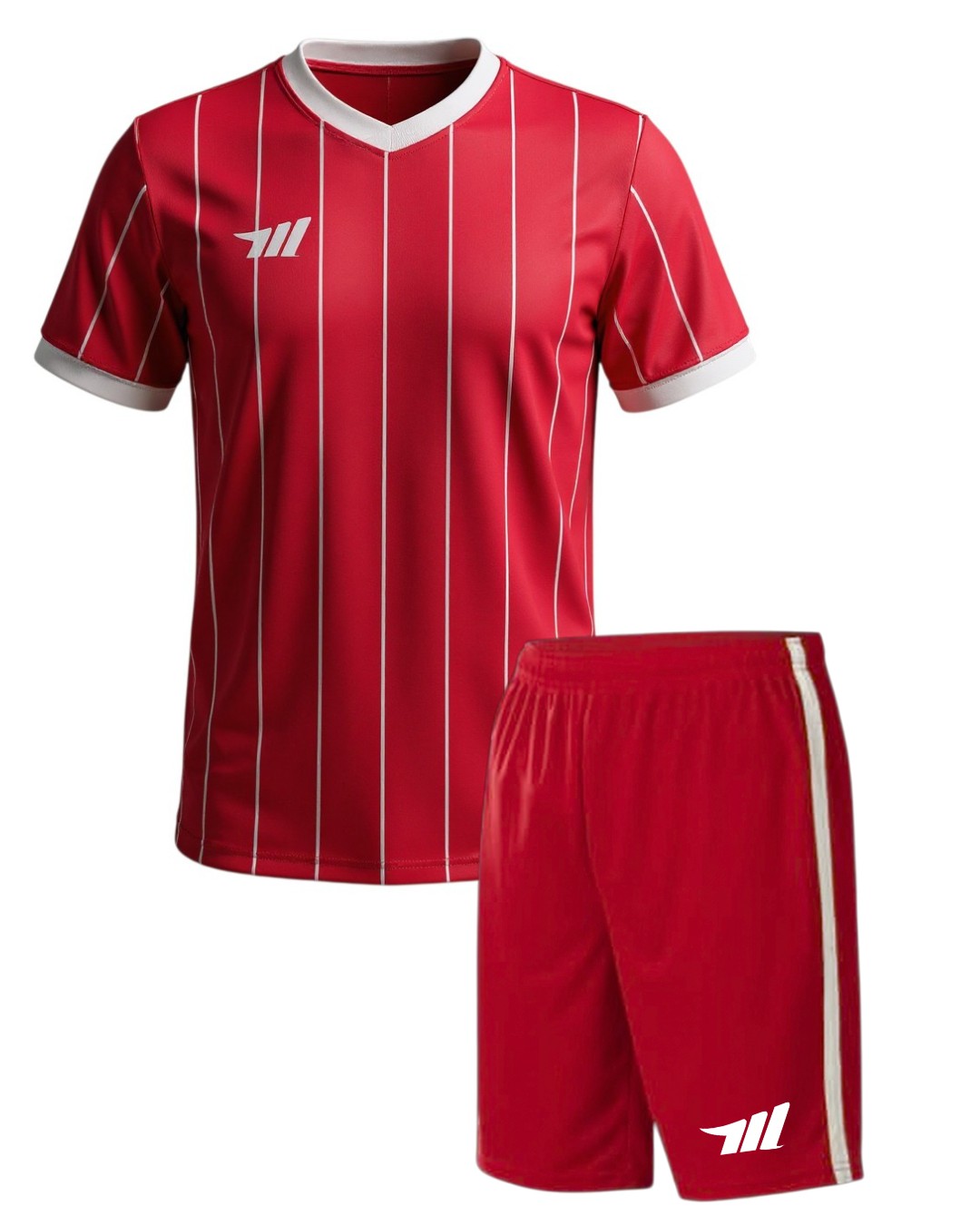
Red – Dominance and Aggression
Red is the most studied color in sports psychology. It signals strength, urgency, and competitiveness.
- Best for: Football, rugby, martial arts
- Psychological effect: Raises aggression and confidence
- Use with care: Too much red can increase emotional intensity
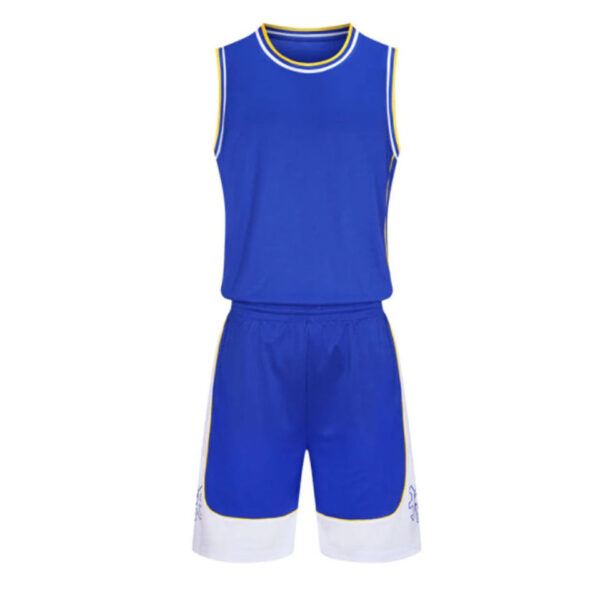
Blue – Control and Trust
Blue represents calmness, reliability, and strategic mastery.
- Best for: Football, basketball, hockey, training kits
- Psychological effect: Encourages composure and teamwork
- Popular with elite clubs due to its professional image
Black – Authority and Intimidation
Black communicates power and seriousness.
- Best for: Home kits, professional leagues
- Psychological effect: Projects dominance and control
- Often associated with elite, no-nonsense teams
Yellow – Energy and Visibility
Yellow is highly visible and energizing.
- Best for: Away kits, fast-paced sports
- Psychological effect: Signals optimism and movement
- Excellent for standing out in crowded stadiums
Green – Balance and Endurance
Green is linked to renewal, stamina, and balance.
- Best for: Soccer, cricket, long-duration matches
- Psychological effect: Supports steady performance and resilience
Orange – Energy and Control
Colors like orange are often associated with energy and confidence, which is why many teams prefer orange football kits to create a strong on-field presence.
Home vs Away Kits: The Psychology Behind the Choice
Many teams choose darker, more dominant colors for home kits and brighter or lighter colors for away kits—and this isn’t accidental.
- Home kits often aim to reinforce territorial dominance and crowd intimidation.
- Away kits prioritize visibility, contrast, and adaptability in unfamiliar environments.
Crowd energy amplifies these effects, making home color choices especially powerful in packed stadiums.
Choosing the Right Uniform Color for Your Team
The “best” color depends on context. Smart teams consider several factors before deciding:
1. Sport Type
Contact sports benefit from assertive colors, while precision sports often favor calmer tones.
2. Age Group
Youth teams respond well to bright, energetic colors, while professional teams often prefer controlled, authoritative palettes.
3. Climate and Conditions
Lighter colors reflect heat better, which can matter in warm environments.
4. Branding and Identity
Consistency builds recognition. A strong color identity helps teams stand out season after season.
Why Strategic Color Planning Matters in Custom Teamwear
Custom teamwear isn’t just about fit and fabric. Color choice affects:
- Logo visibility
- Number readability
- Fan recognition
- Media and broadcast appearance
At a professional level, teams that plan their colors strategically create uniforms that perform visually as well as physically. This is why working with experienced teamwear providers—who understand both design and sports psychology—makes a real difference.
Final Verdict: Can Uniform Color Really Help You Win?
Uniform color won’t replace training, tactics, or talent. However, research and real-world evidence show that color influences confidence, perception, and momentum. In competitive sports, where margins are razor-thin, these psychological edges can matter.
Winning teams understand that performance is not just physical—it’s mental, emotional, and perceptual. Uniform color is one of the simplest yet most overlooked tools to shape that advantage.
When chosen strategically, sports uniform colors don’t just represent a team—they reinforce how that team competes, how it’s perceived, and how it performs under pressure.
